
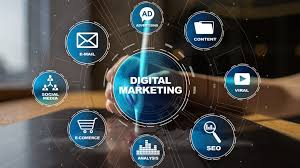
In today’s digital era, businesses are no longer limited by location or traditional advertising methods. The internet has transformed the way companies communicate with customers, promote products, and build their brands. Digital marketing has become one of the most effective and powerful tools for businesses of all sizes to achieve growth, attract new customers, and increase revenue.
Whether you own a small local business, an e-commerce store, or a large corporation, digital marketing helps you reach the right audience at the right time. It combines creativity, technology, and data-driven strategies to create meaningful connections between businesses and consumers.
What is Digital Marketing?
Digital marketing is the process of promoting products, services, or brands through online platforms and digital technologies. It involves using the internet and electronic devices to connect with potential customers through various channels such as:
- Search Engines
- Social Media Platforms
- Websites
- Email Marketing
- Mobile Applications
- Online Advertising
- Video Marketing
- Content Marketing
The primary goal of digital marketing is to increase brand awareness, generate quality leads, drive website traffic, and convert visitors into loyal customers.
Why Digital Marketing is Important
The modern customer spends a significant amount of time online. Before making a purchase, people search for information, compare products, read reviews, and seek recommendations. Businesses that have a strong online presence are more likely to gain customer trust and increase sales.
Benefits of Digital Marketing
1. Global Reach
Digital marketing allows businesses to reach customers across cities, countries, and even worldwide. A small business can compete with larger brands by using effective online marketing strategies.
2. Cost-Effective
Compared to traditional advertising methods such as newspapers, television, and billboards, digital marketing offers affordable solutions with better returns on investment.
3. Targeted Marketing
Businesses can target customers based on age, gender, interests, location, purchasing behavior, and online activities. This ensures marketing budgets are spent efficiently.
4. Measurable Results
Unlike traditional marketing, digital marketing provides detailed analytics. Businesses can monitor clicks, impressions, website visits, conversions, and customer engagement in real time.
5. Better Customer Engagement
Social media and email marketing enable businesses to communicate directly with customers, answer questions, and build stronger relationships.
Major Components of Digital Marketing
Search Engine Optimization (SEO)
SEO is the practice of improving a website’s visibility on search engines like Google. When customers search for products or services, SEO helps your website appear among the top search results.
SEO Benefits:
- Higher website traffic
- Better search engine rankings
- Increased brand credibility
- Long-term business growth
- Improved user experience
SEO includes keyword research, content optimization, technical SEO, backlink building, and local SEO.
Social Media Marketing (SMM)
Social media platforms have become essential marketing tools for businesses. Platforms such as Facebook, Instagram, LinkedIn, Pinterest, and X (Twitter) help brands connect with their audience.
Social Media Marketing Helps:
- Increase brand awareness
- Build customer loyalty
- Promote products and services
- Drive website traffic
- Generate leads and sales
Regular posting, engaging content, and creative campaigns help businesses maintain an active online presence.
Content Marketing
Content marketing focuses on creating valuable and informative content that educates and engages customers.
Popular content formats include:
- Blog articles
- Videos
- Infographics
- E-books
- Podcasts
- Case studies
- Social media posts
High-quality content helps businesses establish authority and improve search engine rankings.
Pay-Per-Click Advertising (PPC)
PPC advertising is a paid marketing strategy where businesses pay only when users click on their ads.
Popular PPC platforms include:
- Google Ads
- Facebook Ads
- Instagram Ads
- LinkedIn Ads
- YouTube Ads
Advantages of PPC:
- Immediate visibility
- Fast lead generation
- Flexible budget control
- Audience targeting
- Performance tracking
Email Marketing
Email marketing remains one of the most profitable digital marketing strategies. It allows businesses to communicate directly with customers through personalized messages.
Email campaigns can include:
- Promotional offers
- Product launches
- Newsletters
- Customer updates
- Event invitations
Personalized emails increase customer engagement and encourage repeat purchases.
Website Development and Optimization
A business website is the foundation of digital marketing. It serves as the online identity of a brand.
A successful website should be:
- Mobile-friendly
- Fast-loading
- Easy to navigate
- SEO optimized
- Secure
- Visually appealing
An optimized website improves customer experience and boosts conversions.
The Role of Digital Marketing in Business Growth
Digital marketing helps businesses achieve multiple goals:
Build Brand Awareness
A strong online presence helps people recognize and trust your brand.
Generate Quality Leads
Targeted campaigns attract customers who are genuinely interested in your products or services.
Increase Sales
By reaching the right audience, businesses can improve conversion rates and maximize revenue.
Improve Customer Relationships
Consistent communication builds loyalty and long-term customer satisfaction.
Stay Ahead of Competitors
Digital marketing enables businesses to adapt quickly to changing market trends.
Latest Digital Marketing Trends
The digital marketing industry is constantly evolving. Businesses should stay updated with the latest trends to remain competitive.
Artificial Intelligence (AI)
AI helps automate marketing tasks, personalize customer experiences, and analyze data more efficiently.
Video Marketing
Short videos and live streaming have become highly effective for audience engagement.
Influencer Marketing
Collaborating with influencers helps businesses reach niche audiences and build trust.
Voice Search Optimization
With the rise of voice assistants, optimizing content for voice searches is becoming increasingly important.
Personalized Marketing
Customers expect customized experiences based on their interests and online behavior.
How to Build a Successful Digital Marketing Strategy
Step 1: Set Clear Goals
Define your objectives, such as increasing website traffic, generating leads, or boosting sales.
Step 2: Understand Your Audience
Research customer needs, preferences, and online behavior.
Step 3: Create a Professional Website
Your website should provide a smooth and engaging user experience.
Step 4: Focus on SEO
Optimize your website to improve search engine rankings.
Step 5: Create Valuable Content
Publish informative blogs, videos, and social media content regularly.
Step 6: Use Social Media Effectively
Stay active and engage with your audience.
Step 7: Invest in Paid Advertising
Use PPC campaigns for faster results.
Step 8: Track Performance
Analyze campaign data and make improvements continuously.
Common Digital Marketing Mistakes
Many businesses fail to achieve success because they make simple mistakes.
- Ignoring SEO
- Posting inconsistent content
- Not understanding the target audience
- Neglecting mobile users
- Failing to track campaign performance
- Using poor-quality visuals
- Depending on only one marketing channel
Avoiding these mistakes can significantly improve marketing outcomes.
The Future of Digital Marketing
The future of digital marketing is driven by technology, innovation, and customer experience. Businesses that embrace AI, automation, personalized marketing, and data analytics will have a significant advantage.
As internet usage continues to grow, digital marketing will become even more important for businesses looking to expand their reach and build lasting customer relationships.
Conclusion
Digital marketing is one of the most powerful tools for modern businesses. It offers endless opportunities to connect with customers, build brand awareness, generate leads, and increase sales. From SEO and social media marketing to content creation and paid advertising, every strategy contributes to business growth.
Success in digital marketing requires creativity, consistency, and a deep understanding of customer needs. Businesses that invest in effective digital marketing strategies can achieve sustainable growth and stay ahead in an increasingly competitive marketplace.
Digital marketing is not just about selling products—it’s about creating value, building trust, and developing long-term relationships with customers. In the digital age, businesses that embrace online marketing are the ones that thrive and succeed.